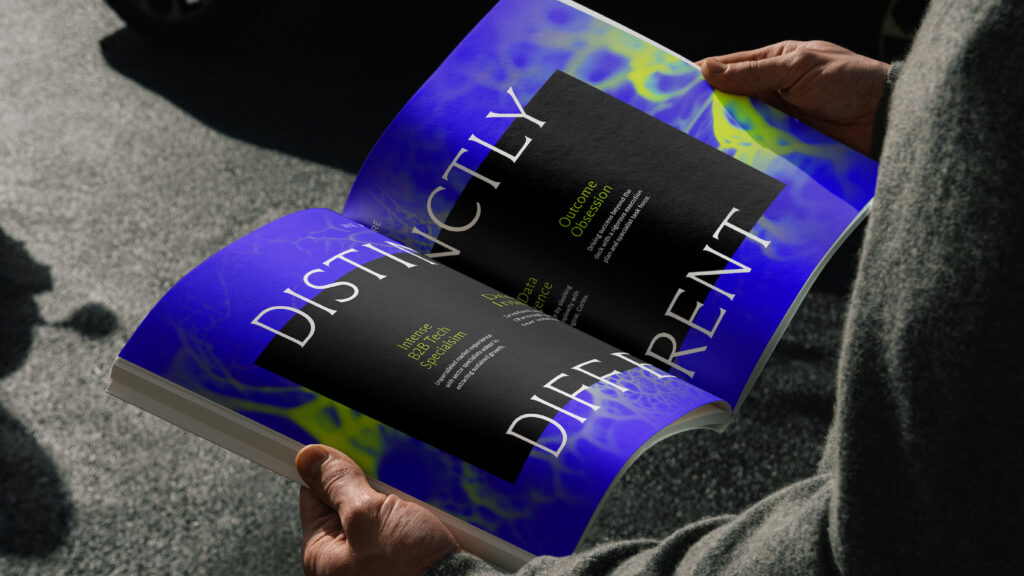
Designhouse Featured in Transform Magazine’s 2026 Industry Predictions
Transform magazine’s annual crystal ball reveals what 40+ brand design leaders predict for the year ahead.
The design industry is pushing back against AI-generated sameness and returning to principles that have always driven effective brand work. These principles are the crucial AI differentiator, human craft, strategic thinking, and authentic differentiation. Transform magazine has asked leading voices across the global branding industry to identify the trends, challenges, and opportunities shaping the year ahead. For 2026, the predictions reveal a pivotal moment for our industry…
The End of Rigid Brand Guidelines
Matthew Gillman, Design Director at Designhouse, explained how interactive media is changing brand experience.
“In 2026, brand design flips the script from policing to deliberately designing for misuse. Cultural relevance requires letting communities play. Designers build flexible systems with clear purpose and strong DNA, then [gasp] release control. In the AI future, designers focus on creating frameworks robust enough for remix culture, becoming architect rather than gatekeeper. Fearlessly authentic brands require structures communities can inhabit, reinterpret and make their own, without flinching. The era of intentional interactive brand engagement has begun, the rigid guideline era ends.
This shift from control to collaboration reflects what we’re seeing with clients across sectors. The brands achieving genuine cultural resonance aren’t the ones enforcing pixel-perfect consistency—they’re the ones building systems resilient enough to evolve with their audiences.
Five Major Themes Emerging for 2026
Transform’s predictions reveal several interconnected themes that align closely with our approach to brand strategy:
1. The AI Backlash Has Begun
Multiple contributors, including Luke Manning from Pencil Studio, Stanley Vaganov from BeCurious Studio, and Tyler Berry from YeahNice, predict audiences will increasingly reject AI-generated visual content. The reason? Viewers can spot it, and they’re increasingly bored by the sameness. Human craft, intentional imperfection, and authentic making will become premium differentiators.
2. Brand Worlds Replace Brand Messaging
Almas Ahmed from Conran Design Group states it plainly: “Recognition without participation doesn’t build value; people remember what they do, not what they’re shown.” Hamish Shand from Boundless and Jacquelien Brussee from Jibe echo this shift; brands that create immersive experiences people can participate in will outperform those simply broadcasting content.
3. Proving Brand’s Business Value
Samantha Temple Neukom from Northbound predicts C-suite leaders will demand more than beautiful work in 2026. They’ll require revenue attribution, distinctiveness metrics, and evidence that brand investment drives business outcomes. This represents the evolution of brand strategy from creative project to business infrastructure.
4. Differentiation Becomes Critical
As visual systems converge across industries, Mike Smith from Clout Branding and Shelby Georgis from HLK argue that brands need bold, defining ideas rather than following aesthetic trends. The opportunity lies in strategic positioning, not simply adopting the latest type styles or pursuing visual minimalism.
5. Strategic Motion and Sonic Branding
Andrew Vucko from Vucko and Ed Trotter from Enchant Group both highlight the growing strategic importance of how brands move and sound. In a hyper-speed culture, motion systems and sonic identities are becoming anchors that let brands flex without losing themselves. [although this doesn’t work for all brands, as we discussed in our round up of 2025 brand design trends]
What This Means for Business Leaders
These predictions represent fundamental shifts in how brands create value. For marketing and business leaders, three strategic implications stand out:
- Investing in authentic brand systems pays dividends. As AI lowers the cost of generic output, human-crafted brand work that reflects genuine strategy becomes more valuable, not less.
- Rigid control is counterproductive. Brands that design flexible systems with clear purpose but allow interpretation will achieve greater cultural relevance than those enforcing strict consistency.
- Brand work must demonstrate business impact. The days of separating “brand” from “business” are over. Effective brand strategy drives measurable outcomes, from customer acquisition to talent retention to premium pricing power.
Looking Ahead
At Designhouse, we’ve built our approach on a simple principle: brand design isn’t about creative expression for its own sake. Our design studios are award-winning and brilliant at their craft and they also understand how to create business value through strategic clarity, cultural relevance, and systems built to endure.
The predictions in Transform’s piece validate this direction. As the industry grapples with AI’s capabilities and limitations, the brands that will thrive are those with clear strategic foundations, flexible systems, and authentic human connections at their core.
Read the full Transform magazine predictions here.
If you want to build a brand system designed for 2026 and beyond, Contact us