
In this article we discuss
- The formula for creativity
- The difference between creativity and innovation
- Three question marketing leaders should always ask when selecting a brand agency
In a recent pitch, a client asked what’s the science behind our creative process. It’s a reasonable question from someone signing off a six figure brand investment, and it deserves a considered answer.
There is science. There is also, as it turns out, a formula for creativity. An actual theorem, written by a mathematician who spent the early years of her career operating one of the first computers ever built.
Dr Ruth Noller began her working life in 1944 at Harvard, on the Mark I.

The machine was a beast: 51 feet long, eight feet high and weighing close to five tonnes. It had around 765,000 components and a massive 50 foot camshaft, all in order to run calculations for the US Navy in the closing years of the Second World War. Operating it demanded absolute step by step logic. A single misplaced punch card or a misaligned gear stopped the entire system.
Machines execute that type of rigid, linear calculation flawlessly. Through the work, Dr Noller came to see that human beings did something else entirely, generating ideas that had never previously existed.
Which is why she spent the remainder of her career studying human creativity.
At Buffalo State University she worked alongside Alex Osborn, who originated brainstorming. And, with Sidney Parnes she developed the Osborn-Parnes Creative Problem Solving process. That work underpins the university’s world leading Centre for Applied Imagination.
The creativity formula
Being a mathematician, Dr Noller devised a rather elegant formula for creativity:
C = ƒa (K, I, E)
The formula shows how Creativity is an output of applied Knowledge, Imagination and Evaluation. Knowledge is what we hold. Imagination is what we can conceive. Evaluation is the judgement of which idea to pursue. Attitude is the function that operates as a force multiplier across all three. Noller’s research specifically referenced positive mental attitude, a ‘can do’ mindset, if you like, as the real differentiator.
Creativity v. Innovation
If the formula describes the process, Theodore Levitt supplied the commercial application. Writing in 1963, the Harvard Business School marketing professor was dismissive of the “ideas business”. Creativity is thinking up new things, and anyone can do that, he argued. The real challenge is making those ideas work for the business: that is innovation, and the discipline it demands is scarce and expensive.
Innovation is something of a cliché across B2B brand messaging. Everyone claims it, and the difference between creativity and innovation is rarely spelled out. Levitt was blunt about it, “ideation and innovation are not synonyms” he wrote. Ideation generates the idea. Innovation is the work of implementing it successfuly.
Both disciplines matter enormously for anyone allocating a brand budget. Innovation depends on creative thinking having happened first, and on a process rigorous enough to take an idea from a Post-it to a successful market position.
Brand is where the idea becomes commercially readable. It makes innovation legible to customers, investors and employees.
Three practical implications for marketing leaders
When you are deciding which agency to work with, Dr Noller’s formula is a useful reference structure.
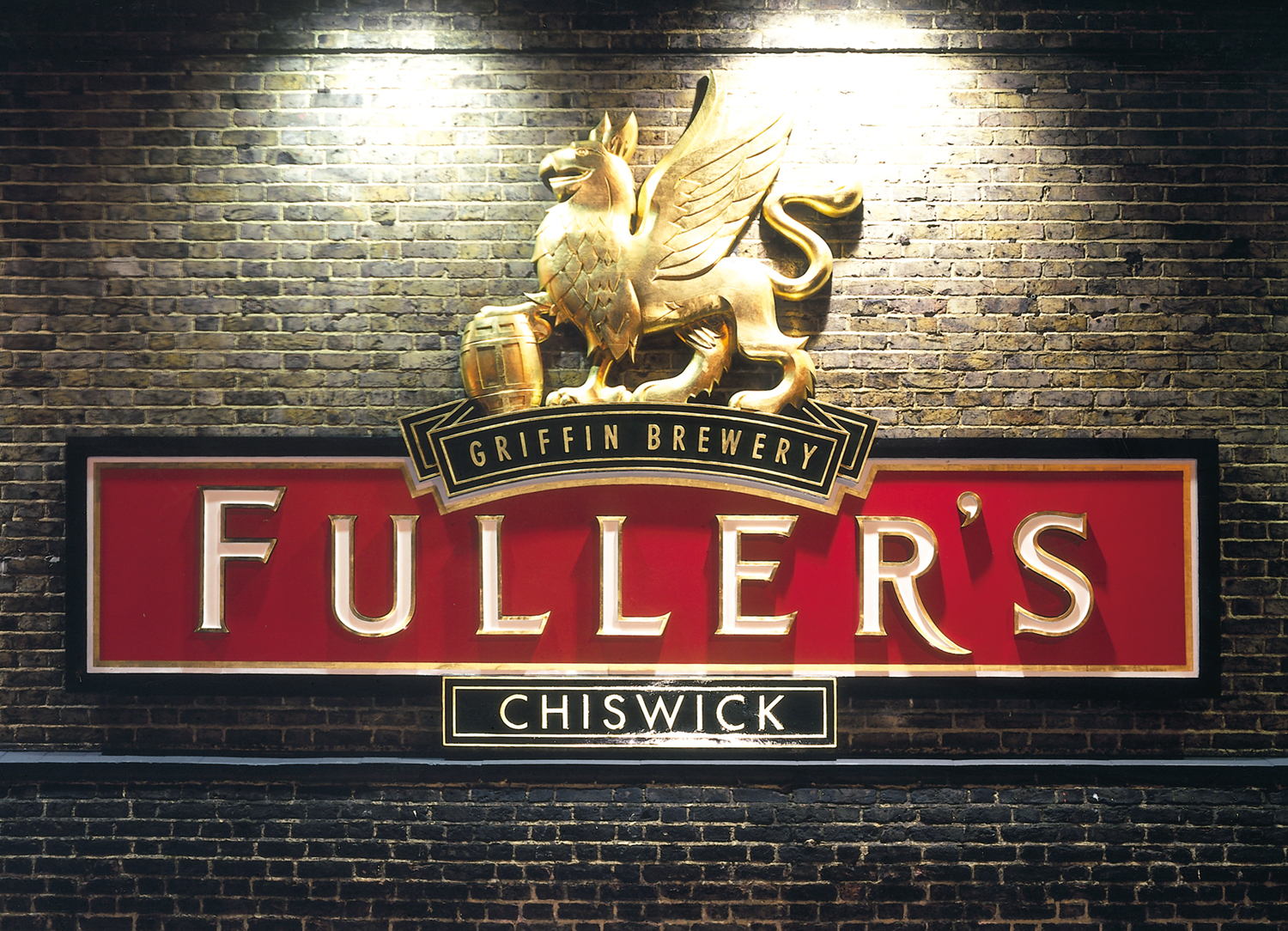
- Knowledge and Imagination. Ask what an agency already understands about your category before the first workshop. As well, ask where its ideas come from once the obvious territories are exhausted. Brand architecture, naming and positioning create value that accrues for years. Fuller’s Brewery has grown brand equity for over three decades on a Designhouse identity that has never required a redesign. Measured against the cost of starting again, that is the long term return of work built on strong creative foundations.
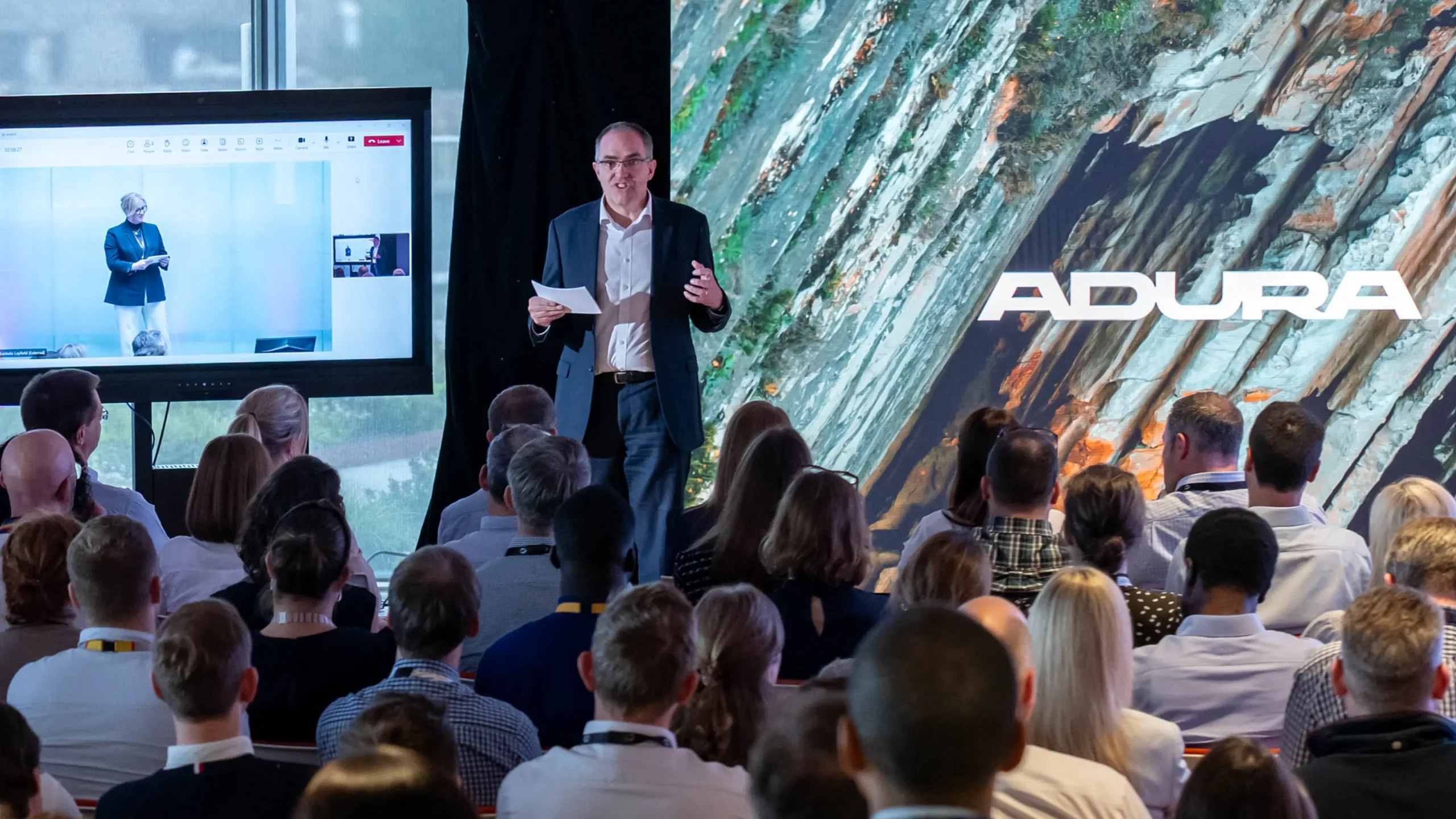
- Evaluation. Most credentials decks describe how ideas are generated. Ask how routes will be assessed, against which criteria, with which stakeholders, and who gets the final call. Evaluation is where projects are won and lost. On Adura, the Shell and Equinor joint venture in the North Sea, every significant decision was a judgement about people and consequence: how a name would sound in Aberdeen, how much heritage to carry from two parent companies, how far to lean into transition language in a sector under close scrutiny. As Levitt would say, the ideas were the easy part!
- Attitude. Noller’s multiplier is crucial. Meet in person wherever possible. You can tell within an hour whether a team is invested in your commercial outcome or in the portfolio piece. The team’s disposition, and the chemistry between you, is one of the more reliable predictors of what the work will be worth in three years.

The human advantage
Dr Noller began thinking about human creativity in 1944 and spent a career researching it. The formula is as valid today as it has ever been.
With Large Language models, Knowledge has become abundant. Imagination, judgement and conviction remain the scarce inputs and the specialist human skills worth paying a premium for.
written by Sam Steele, Marketing and Communications Director, FCIM
Designhouse has partnered with FTSE 250 companies and global enterprises for over 50 years. We also work with start ups and scale ups to create brand identities that can grow with their business. If you’d like to discuss your brand challenges, we’re ready to talk.